
Cape West Coast
Slow travel, salt air, wide skies.
The Cape West Coast is where life downshifts and the coastline does the talking.
Need help to plan your ultimate trip to the Western Cape? Talk to us and we will help you plan the perfect itinerary
What makes the Cape West Coast such a unique destination
The Cape West Coast is quieter than Cape Town, but richer in mood, history, and big-sky scenery.
It’s the kind of place where life slows down, and the coastline tells the story.
What you see each day depends a lot on where you stay.
Wild coastline, big skies and seasonal wildflowers
Open beaches, quiet lagoons, rocky shores, and fynbos landscapes. In spring, the West Coast bursts into colour as wildflowers blanket the fields and coastline.
Rustic fishing towns & everyday life
White cottages, colourful fishing boats, smells of snoek on the fire, friendly locals, and slow living that feels honest and real.
Fossils, footprints & ancient stories
Visit the West Coast Fossil Park and discover Eve’s Footprint near Langebaan. These sites reveal some of the world’s oldest traces of humans and ancient animals.
Culture, heritage and layered history
Khoisan heritage sites, shipwreck stories, salt pans, fishing traditions, padstals, and local legends that quietly shape daily life.
How to choose where to base yourself in the West Coast
Where you stay shapes your trip. Some areas feel lively and central, others feel coastal and slow, and some feel more residential and relaxing.
Use this guide to think about what fits you best and then explore the areas linked below.
By the sea
Perfect if you want sunsets, seafood and slow coastal living.
Best for:
• Beach walks
• Family holidays
• Quiet escapes
Good base areas:
Yzerfontein, Langebaan, Paternoster, St Helena Bay.
Near the flowers
Ideal if you are visiting between August and September.
Best for:
• Photography
• Scenic self-drives
• Short weekend trips
Good base areas:
Darling, Langebaan, Hopefield.
In small villages
Great for travellers who enjoy small-town charm and slow travel.
Best for:
• Coffee shops
• Galleries and craft stores
• Slower travel
Good base areas:
Darling, Velddrif, Riebeek-Kasteel.
Inland and explore by road
Choose this if you love big landscapes and road trips.
Best for:
• Scenic drives
• Nature stops
• Flexible itineraries
Good base areas:
Citrusdal, Vredendal, towns along the Swartland.
Explore the West Coast by Area
Each part of the West Coast has its own character. These area groups will help you decide which direction to go first.
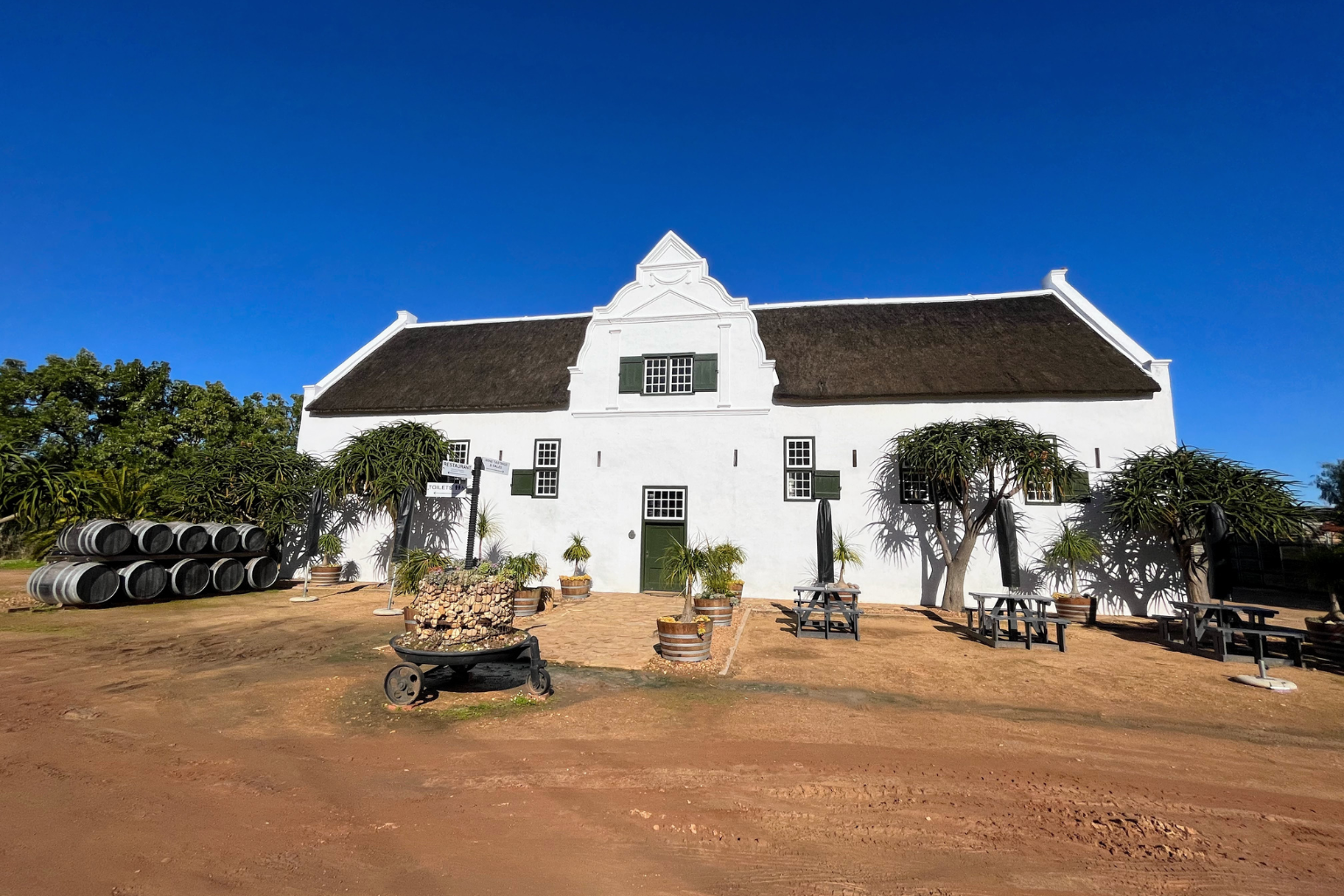
Swartland
Rolling wheat fields, vineyards and olive groves stretch toward distant mountains.
Towns like Malmesbury, Moorreesburg and the Riebeek Valley blend heritage, wine farms, farm stalls and small-town warmth, creating a countryside that feels grounded and beautifully unpretentious.
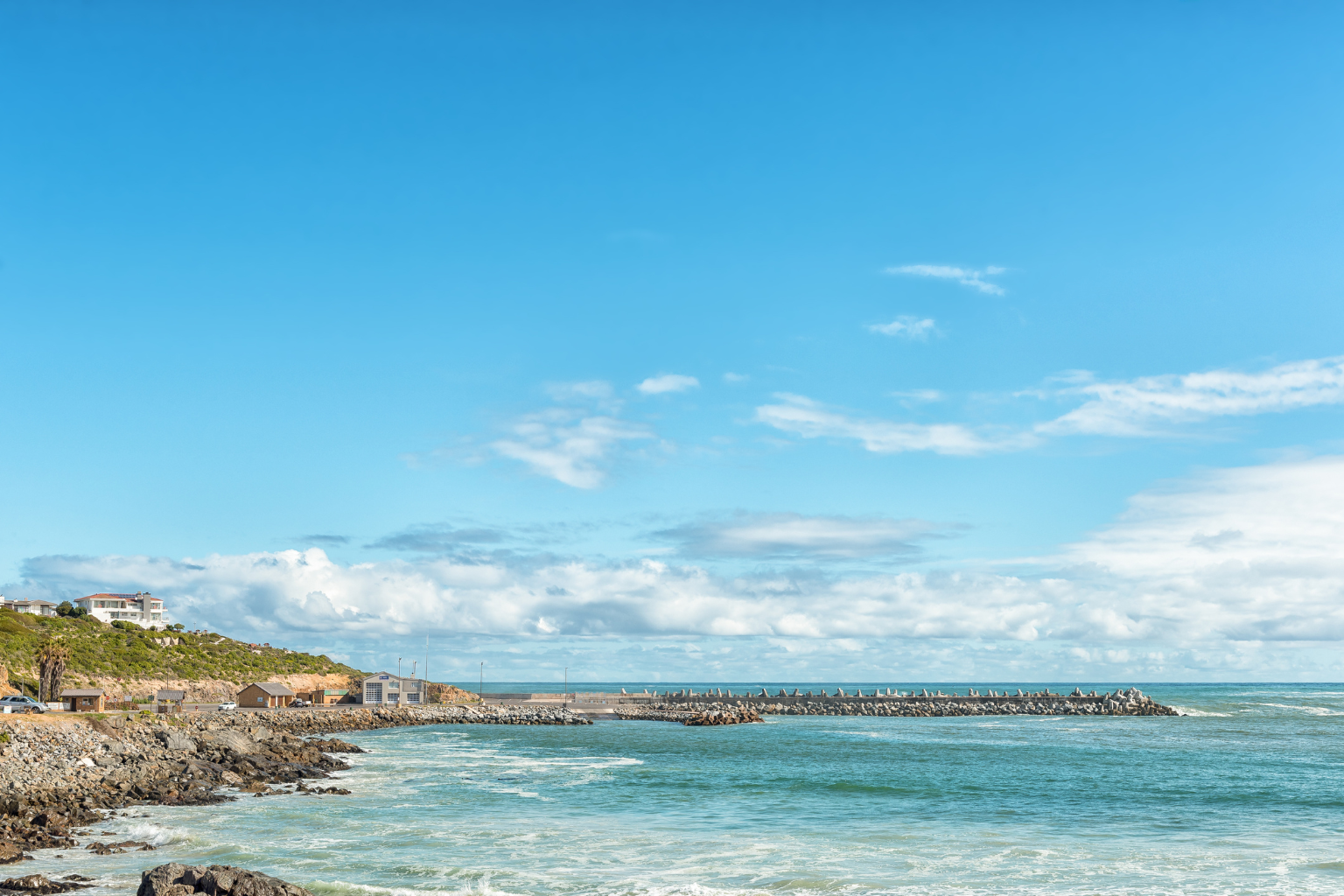
Seaside & Coastal Gateway
A stretch of coastline where white beaches, tidal pools, quiet fishing villages and turquoise lagoons set the pace.
From Yzerfontein’s endless shore to Langebaan’s calm lagoon and Jacobsbaai’s rocky coves, life here is slow, salty and deeply relaxing.
Wildflowers bloom in spring, fresh seafood comes straight from the boats, and small towns welcome travellers like neighbours.

Northern West Coast
Wilder, more open and beautifully untamed. Here the coastline becomes rocky and dramatic, bird islands sit just offshore, and inland valleys burst with citrus orchards and star-filled nights.
Small towns feel authentic and grounded, with landscapes shaped by time, fossils and history.
Swartland
This inland region unfolds gradually after leaving Cape Town, with wheat fields, working farms, and small towns linked by short, scenic drives. It suits slow, grounded exploration before heading coastward or north.
Ideal stay period:
2 to 4 nights
Enough time for wine tasting, village stops, farm food, and relaxed inland drives without feeling rushed.
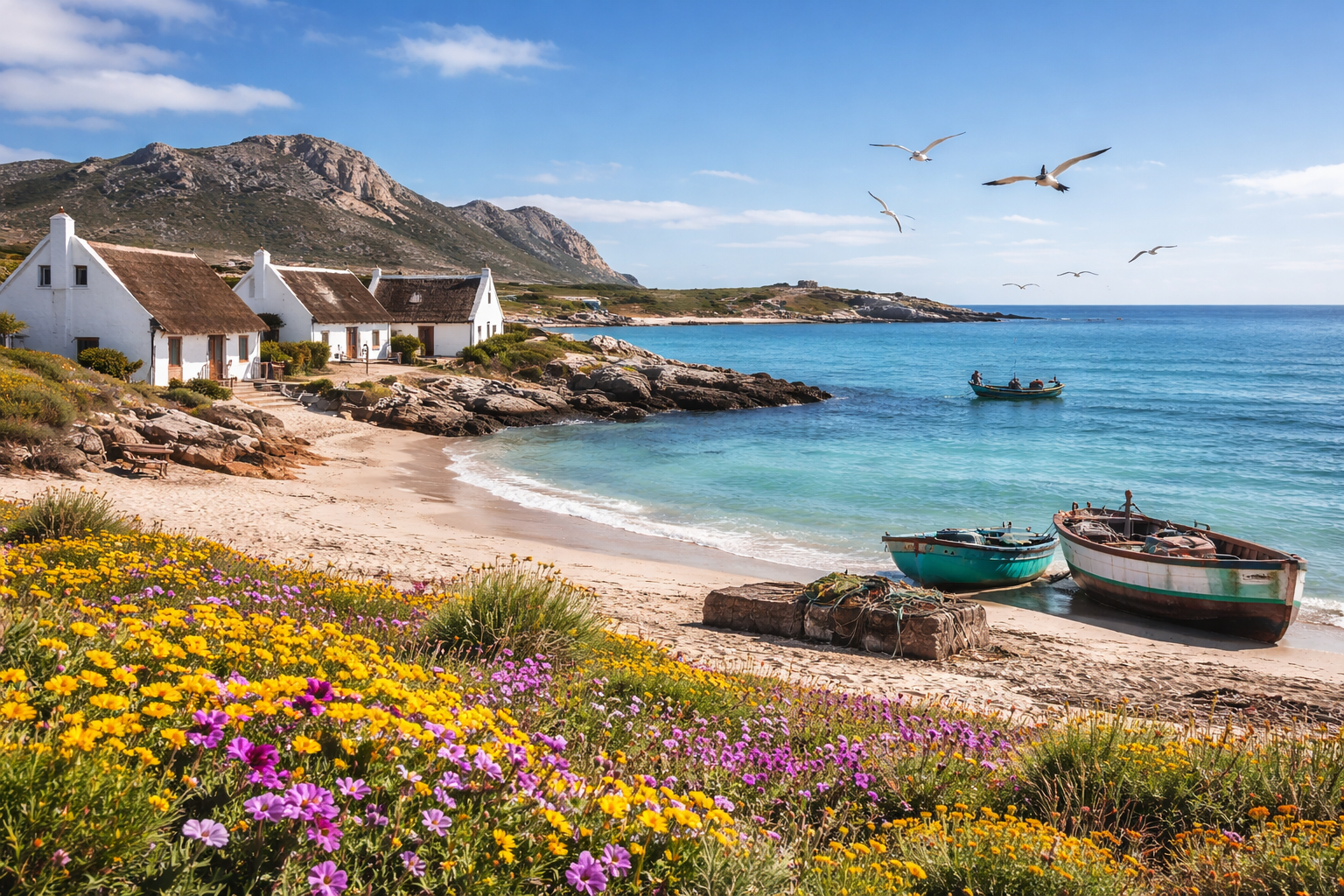
Philadelphia
A small creative village near Cape Town, known for craft markets, studios, and relaxed eateries.
Best enjoyed as a short stop or easy rural detour.
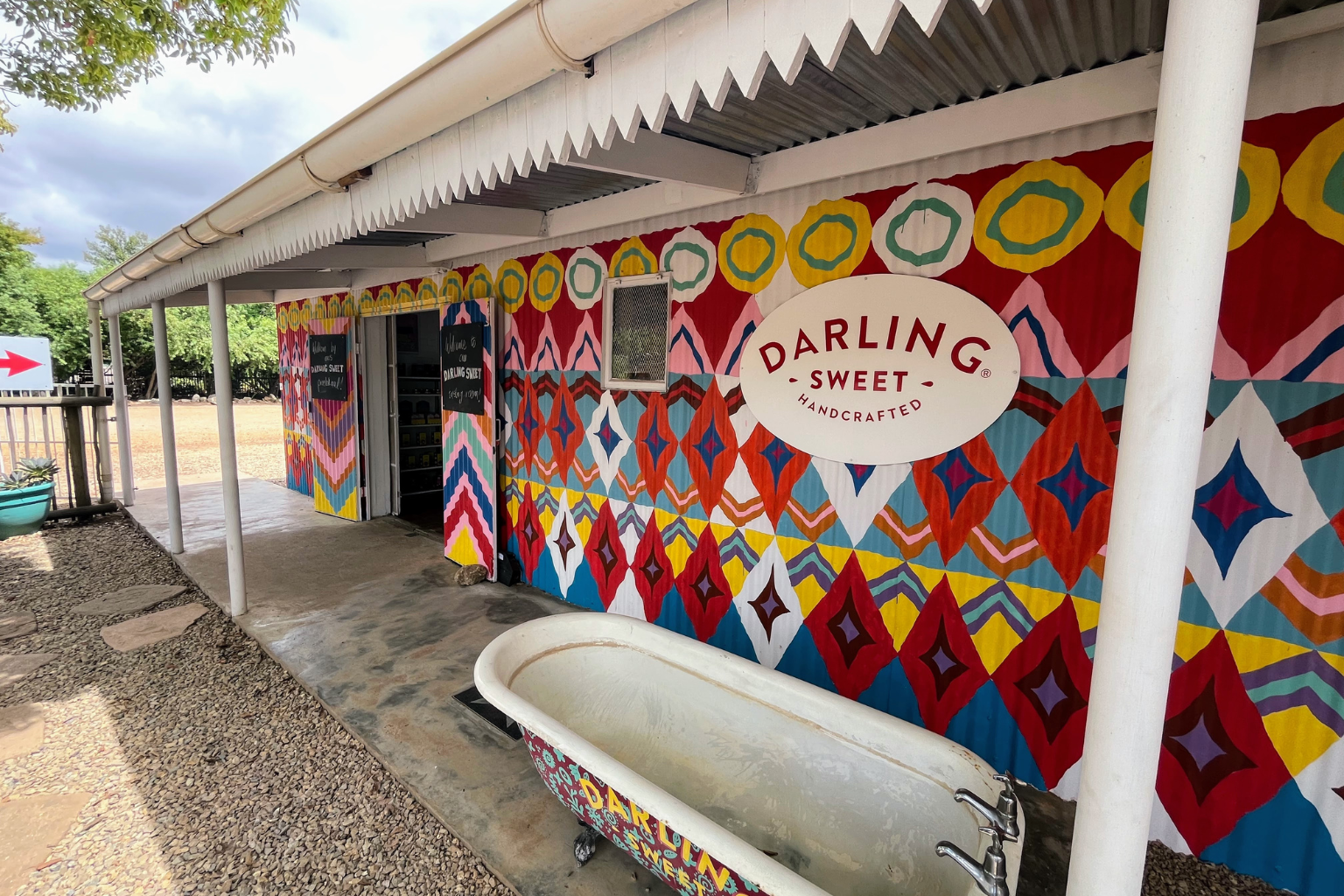
Darling
A lively country town blending wine farms, theatre, wildflowers, and creative culture.
Darling suits travellers wanting art, wine, and West Coast access in one base.
Malmesbury
The Swartland’s main agricultural town with churches, local museums, and historical landmarks.
Malmesbury works best as a practical stop revealing the region’s farming and settlement history.
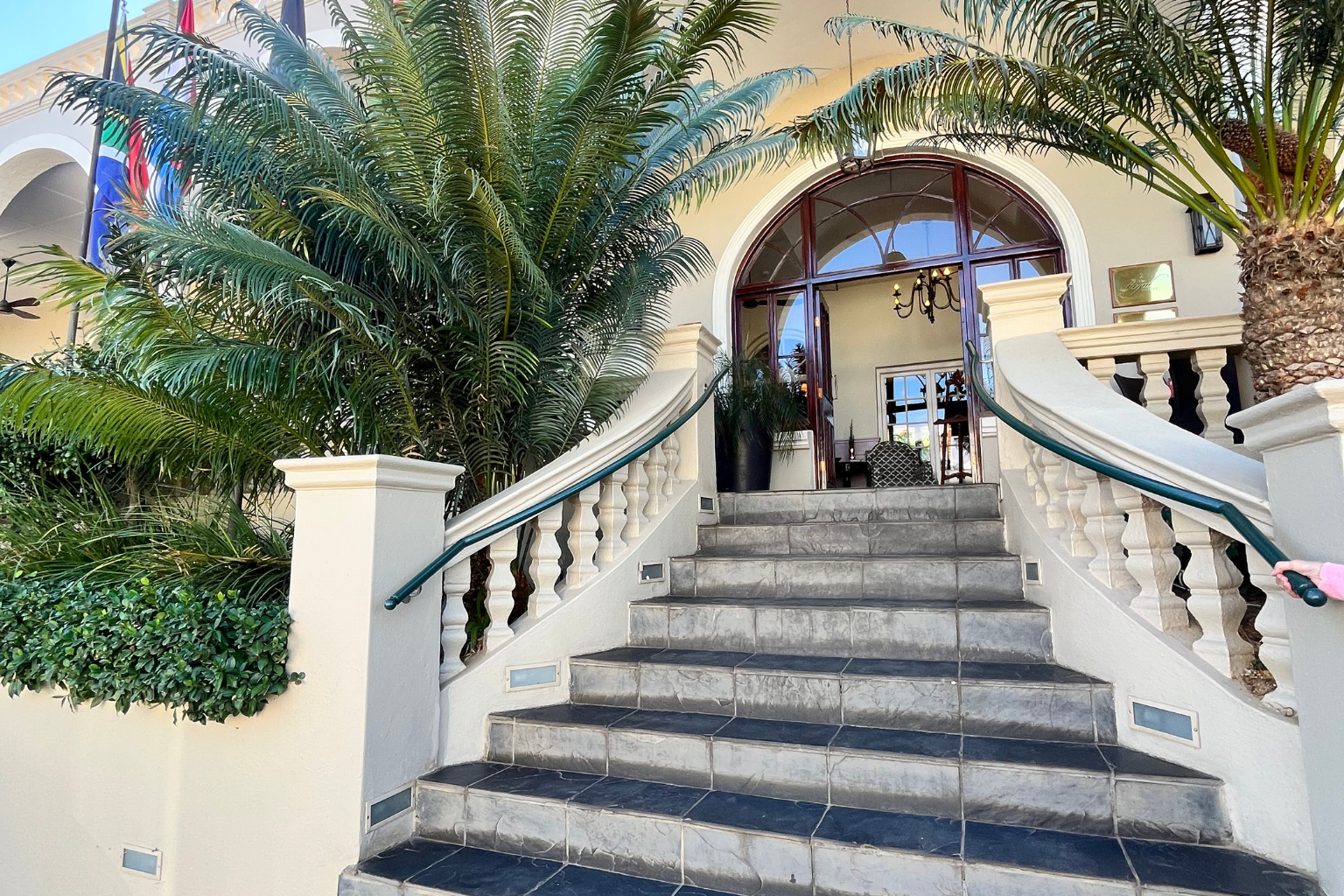
Riebeek Valley
The Swartland’s tourism heart, combining Riebeek-Kasteel’s social village energy with Riebeek West’s quieter heritage charm, surrounded by independent wineries, wheat fields, and mountain views.
Moorreesburg
A traditional farming town known for its wheat heritage, agricultural museums, and historic buildings.
Moorreesburg suits short visits focused on understanding the Swartland’s farming past.
Koringberg
A quiet rural village offering wide skies, gravel roads, and deep calm.
Koringberg suits cyclists, remote stays, and travellers seeking authentic farming landscapes.
Piketberg
An inland mountain town with farming roots and scenic surroundings.
Piketberg works well as a quieter Swartland base and a gateway toward the Cederberg region.

Hermon
A small farming settlement on the eastern Swartland edge, best experienced as part of scenic drives or route planning toward the Winelands and surrounding valleys.
Seaside & Coastal Gateway

Yzerfontein
A peaceful coastal village with long beaches, ocean views, and seasonal whale sightings.
Yzerfontein suits nature-focused stays and pairing coast with inland Swartland travel.
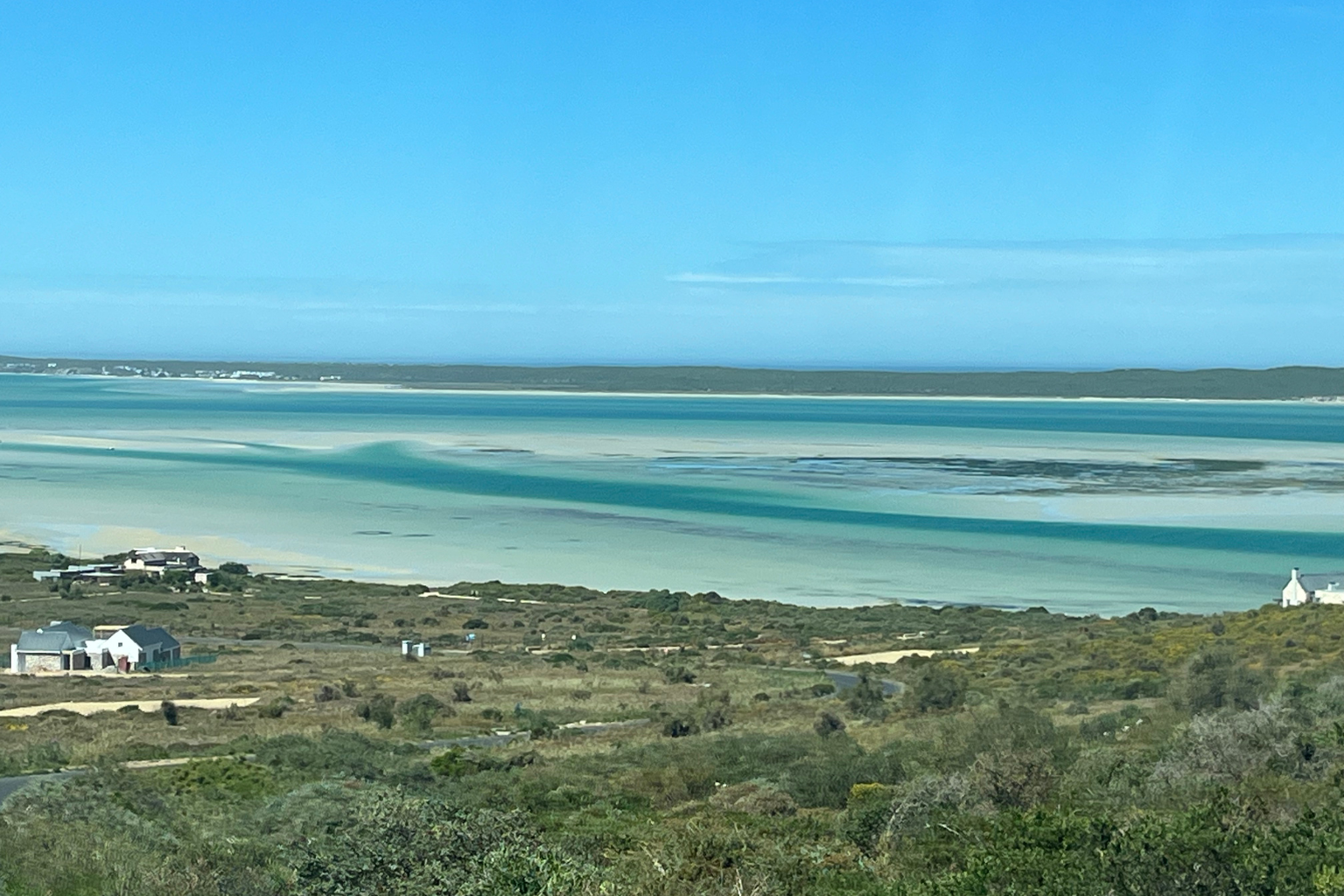
Langebaan
A popular lagoon town known for water sports, beaches, and national park access.
Langebaan suits families, active travellers, and longer West Coast stays.
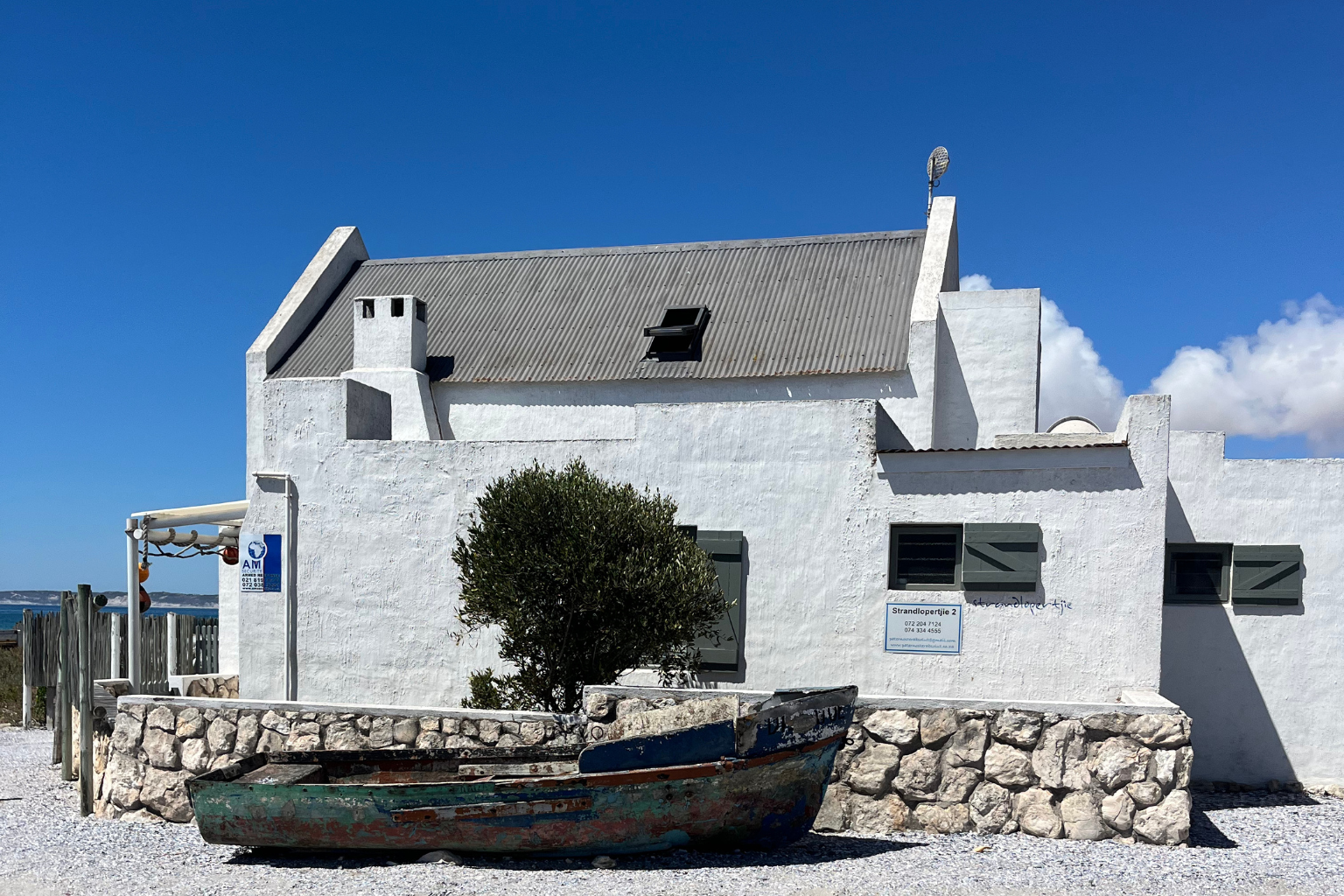
Paternoster
A traditional fishing village with whitewashed cottages, coastal walks, and seafood restaurants.
Paternoster is ideal for relaxed seaside weekends and food-focused travel.
St Helena Bay
A quieter coastal town shaped by fishing culture and open sea views.
Best for travellers wanting a slower, less polished West Coast experience.
Britannia Bay
A low-key seaside enclave near St Helena Bay with long beaches and holiday homes.
Ideal for peaceful coastal escapes away from busier West Coast towns.
Velddrif & Laaiplek
River-meets-sea towns along the Berg River, known for birdlife, houseboats, and seafood.
Best for slow travel and scenic coastal variety.
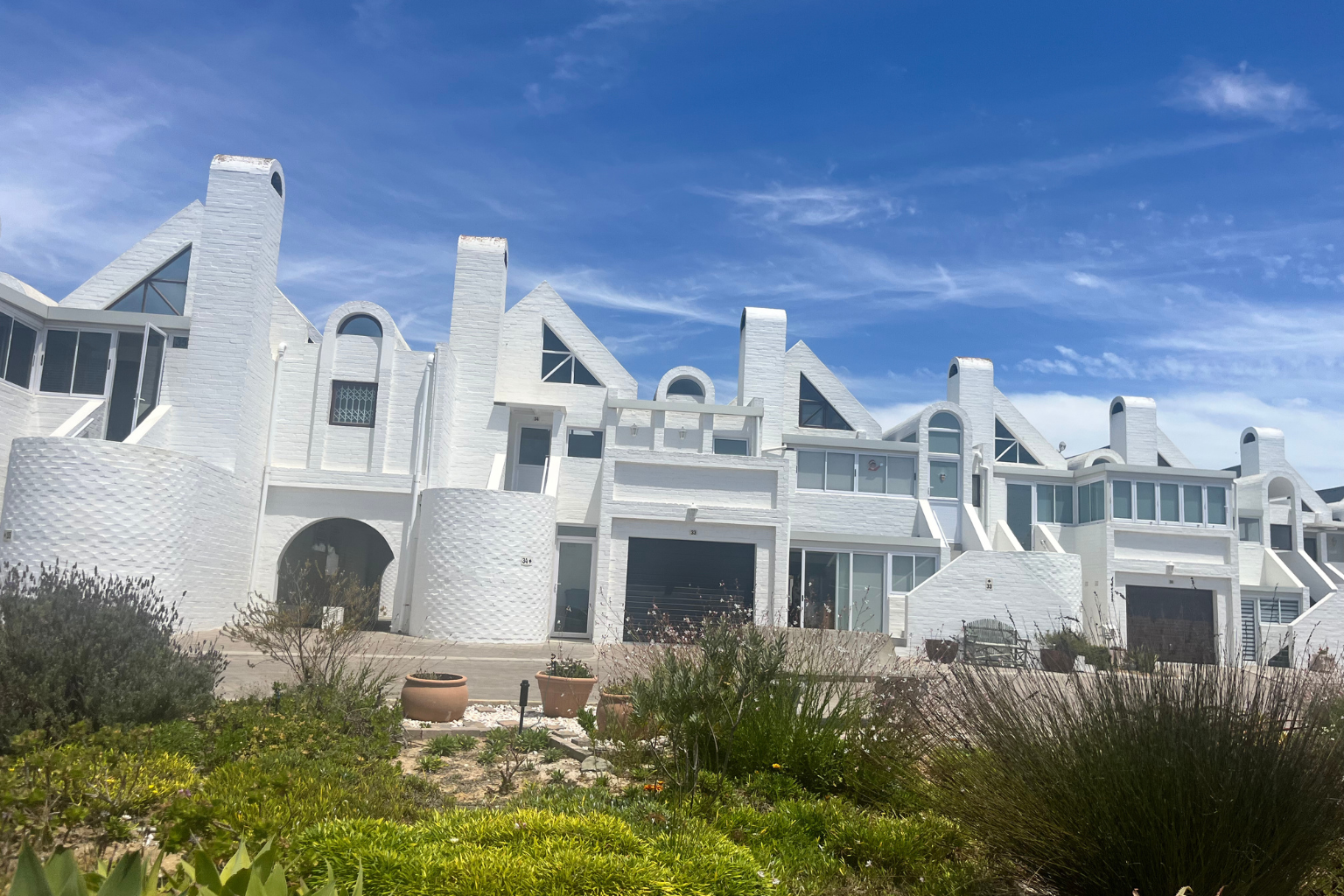
Dwarskersbos
A small seaside village near Velddrif offering calm beaches and a holiday-home atmosphere.
Suits quiet coastal breaks and slower West Coast travel.
Saldanha Bay
A working harbour town with strong maritime character and wide sea views.
More functional than scenic, best combined with nearby West Coast destinations.
Northern Western Cape
Further north, travel becomes more spacious and less structured. Towns are spread out, the coastline feels raw, and journeys themselves become part of the experience.
Ideal stay period:
4 to 7 nights
Allows for longer driving days, remote coastal stops, and time to slow down between widely spaced towns.

Elands Bay
A remote surf town framed by mountains and wild coastline.
Elands Bay attracts surfers, photographers, and travellers seeking raw, uncrowded West Coast scenery.
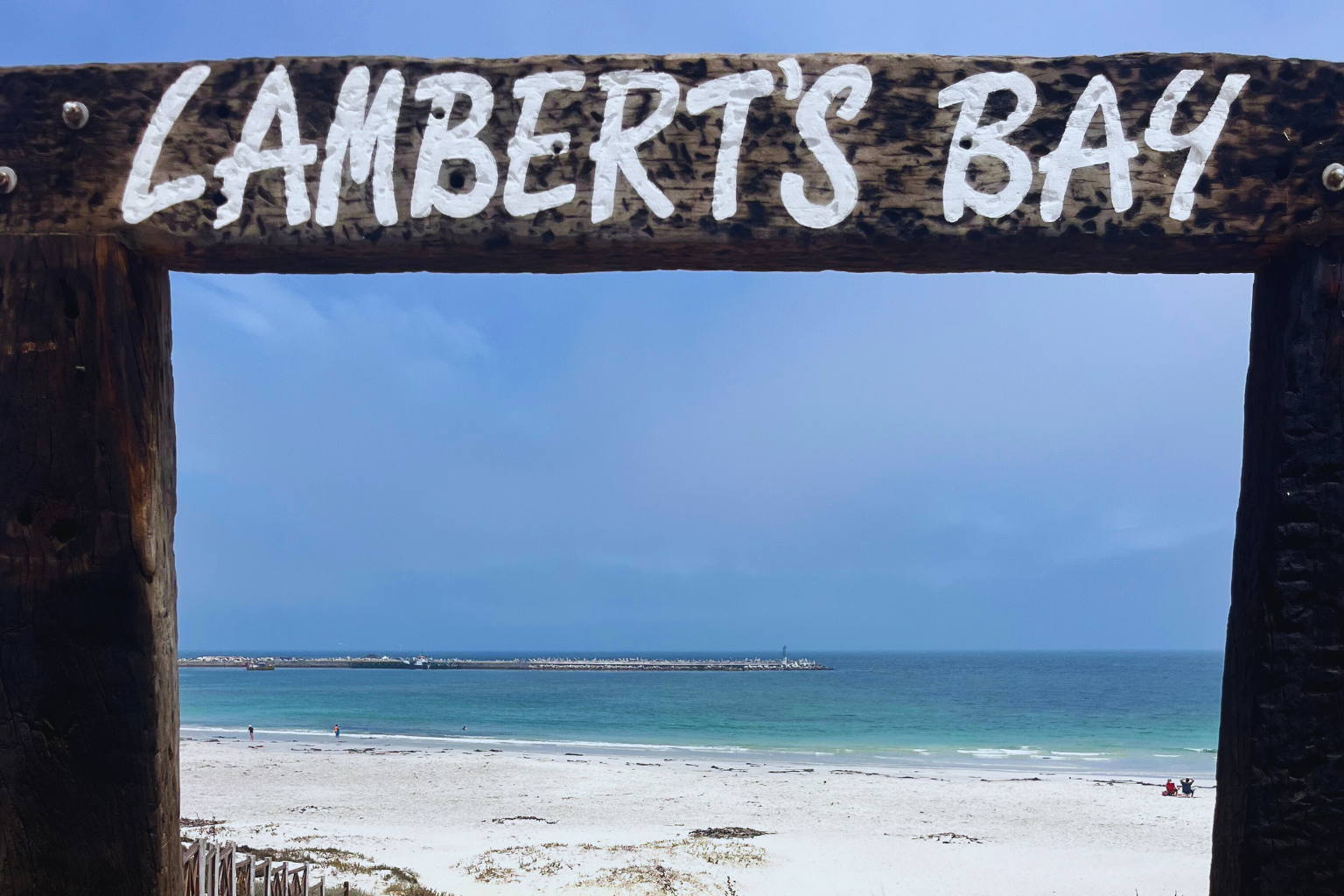
Lamberts Bay
A fishing town known for Bird Island, seafood, and windswept beaches.
Best suited to short stays and coastal road trips through the northern West Coast.

Doringbaai
A tiny working fishing village with strong local character and wild coastal views.
Doringbaai suits travellers seeking authenticity and minimal tourism infrastructure.
Strandfontein (West Coast)
A West Coast village near the Olifants River mouth, known for cliffs, whale spotting, wildflowers, and a stopover on the N7 route to Namibia, popular.
✨ Recommended for travellers
Stay Connected From Day One
Set up a local SIM or eSIM so maps, ride apps, and WhatsApp all work the moment you land – no airport chaos
Extra Peace of Mind
Add a trusted local safety service so you can explore independently with backup if something goes wrong.
Luggage & arrival comfort
Arriving early or leaving late? Store your bags safely near the Waterfront or City Bowl.
Must-know information for visiting the West Coast
The West Coast rewards travellers who take things slowly and plan for a few small details. These tips will help you enjoy the region comfortably and confidently.
Weather and packing
The West Coast rewards travellers who take things slowly and plan for a few small details. These tips will help you enjoy the region comfortably and confidently.
✔ Light jacket
✔ Hat, sunscreen and sunglasses
✔ Comfortable walking shoes
✔ Warmer layers for evenings
✔ Swimwear if you are near the lagoon or coast
Driving and distances
The West Coast is made for self-drive travel. Distances look short on a map but exploring takes time because you will stop often.
✔ Keep petrol at least half full outside larger towns
✔ Watch for animals on rural roads
✔ Gravel roads are common but usually safe at slow speed
✔ Download maps before you go if signal is patchy
Flower season timing
If you are visiting for flowers, timing matters.
✔ Best viewing usually August and September
✔ Flowers open when the sun is out
✔ Drive with the sun behind you for better colours
✔ Stay on marked roads and avoid driving over plants
Every season looks different, so treat it like a surprise rather than a guarantee.
Food, shops and local hours
Many small towns still follow a slower rhythm.
✔ Shops may close early
✔ Restaurants sometimes require booking
✔ Fresh seafood depends on the weather and fishing permits
Carry snacks and water, especially on scenic drives.
Signal, payments and practicalities
✔ Card payments are common, but carry some cash
✔ Offline Google Maps is useful
✔ Some rural guest farms have limited signal
✔ Tap water is generally safe unless otherwise stated
Safety and awareness
The West Coast is relaxed, but awareness is always wise.
✔ Keep valuables out of sight
✔ Lock cars when parked
✔ Use marked swimming areas where possible
✔ Respect tides, currents, and changing weather
Slow travel works best here. Ask locals for advice. They usually love helping.
Ready to plan your West Coast trip?
Cape Town can feel big when you first look at a map. Our job is to make it simple, safe, and exciting, without turning your holiday into a tightly scheduled tour.
Tell us what you enjoy, your pace, and the kind of experience you want. We’ll help you choose areas to stay, plan your routes, and recommend trusted options along the way.
We help you plan smarter, travel safer, and still explore on your own terms.